



The Complete Guide to Buying an Engagement Ring in London
Engagement Ring Shopping in London: A Practical Guide
London gives you more engagement ring options than almost any other city — centuries-old Hatton Garden workshops, polished Bond Street boutiques, and a wave of online-first brands all competing for your attention. That range is a gift and a headache in equal measure. This guide cuts through it, covering the decisions that actually matter before you spend a penny.
Set Your Budget Before You Look at a Single Ring
The "two months' salary" rule wasn't handed down by tradition — it was invented by a diamond marketing campaign in the 1930s. Ignore it entirely. Instead, pick a number that fits your own finances and hold that line, because every stage of the buying process is engineered to push it upward: a slightly bigger stone here, a clarity upgrade there.
London rings cover a wide spread. Simple settings with a modest natural or lab-grown stone can start under £1,000; bespoke pieces with larger, higher-grade diamonds climb well into five figures. Walking in with a firm ceiling keeps the conversation focused on what you actually want, not what a jeweller would like to sell you.
Natural or Lab-Grown? There's No Wrong Answer
This is the question most couples wrestle with today.
Natural diamonds formed over millions of years underground. They carry the weight of tradition and an established resale market, though how much that tradition matters is increasingly a personal call rather than a given.
Lab-grown diamonds are physically and chemically the same stone — identical hardness, brilliance, and certification through GIA or IGI — just grown in a lab instead of mined. Their main draw is value: for the same money, you typically get 30–50% more size or clarity than a natural stone would buy. Traceable sourcing also makes them the more straightforward ethical choice for many buyers.
Choose based on what you're optimising for. Resale value and mined provenance point toward natural. Maximum size and clarity per pound points toward lab-grown. A jeweller confident in their stones will happily show you both without steering you toward either.
The 4Cs, Without the Jargon
- Cut — how well-proportioned the diamond is for reflecting light. It has the biggest impact on visible sparkle, so if you can only prioritise one C, make it this one.
- Colour — rated D (colourless) through Z (visibly tinted). G–J looks excellent to the eye at a noticeably lower price than the D–F range.
- Clarity — internal and surface marks. "Eye-clean" — no visible flaws without magnification — is the practical target; flawless is a premium you rarely need to pay for.
- Carat — the stone's weight, not its visual size. Cut quality and setting style do more to affect apparent size than carat weight alone.
A good jeweller talks you through these trade-offs against your budget instead of defaulting to the priciest combination.
Picking a Setting
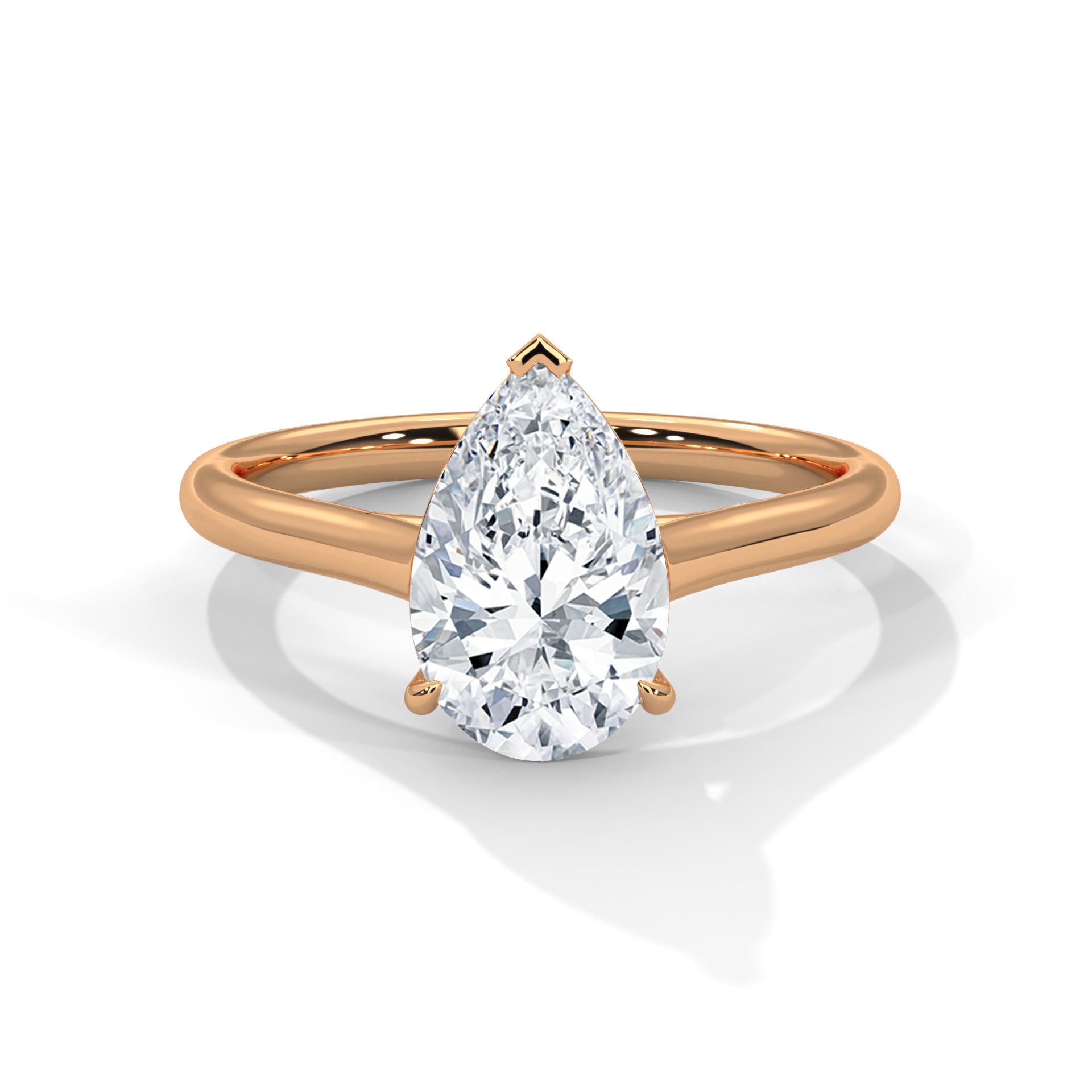
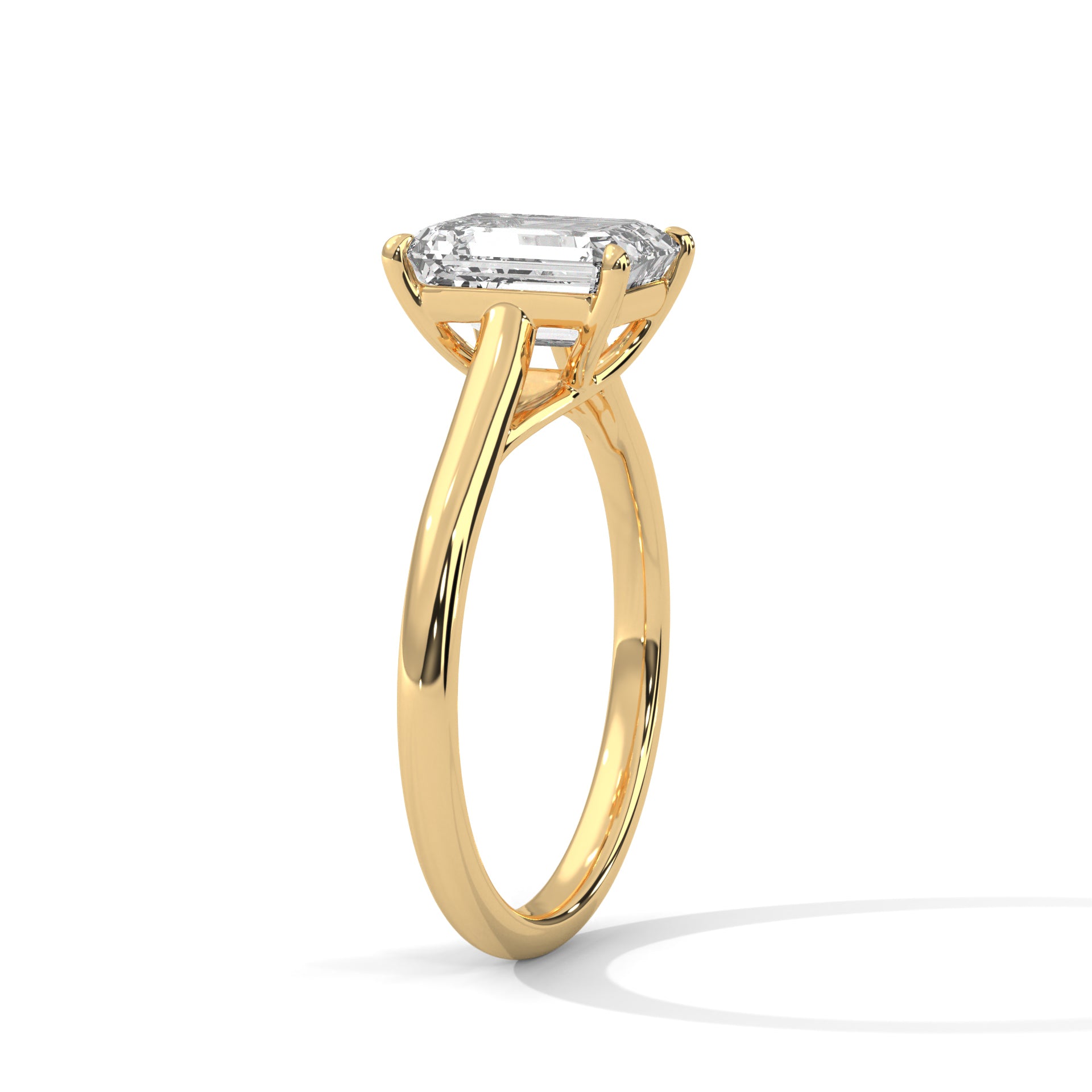
- Solitaire — one stone, minimal band, timeless and stone-forward.
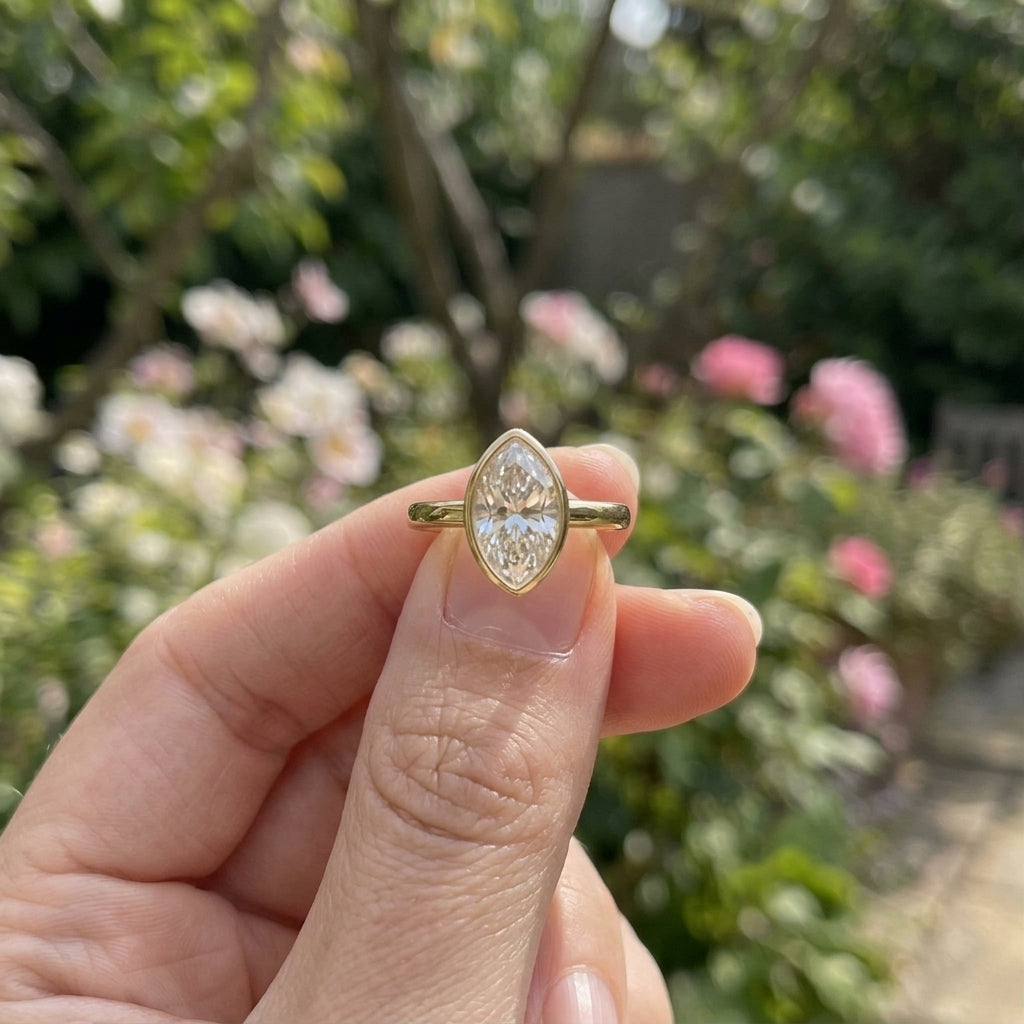
- Halo — smaller diamonds ringing the centre stone, making it look larger than its actual carat weight.
- Pavé — small diamonds along the band, adding sparkle without a major cost jump.
- Trilogy — three stones, often read symbolically as past, present, and future.
- Vintage-style — filigree and milgrain detailing for a more distinctive, antique feel.
Think about daily wear too: low settings snag less (worth considering if you work with your hands), while a tall halo maximises sparkle but sits higher off the finger.
Where to Actually Go in London
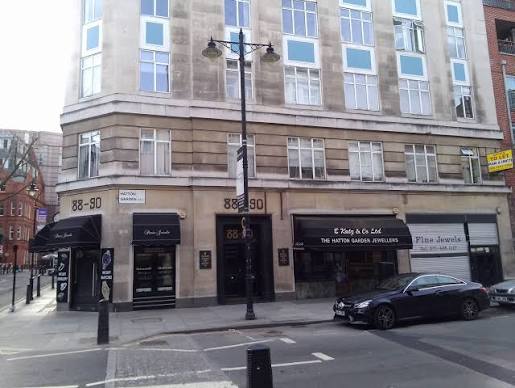
Hatton Garden is still the heart of London's jewellery trade, and it's the sensible starting point for most buyers. The area packs a dense cluster of independent jewellers into a few streets — many with in-house goldsmiths and bespoke design services — so comparing several shops in one afternoon is entirely realistic.
Aurika Gems, at Suite 19, 88-90 Hatton Garden, belongs on that shortlist. It's one of the few Hatton Garden jewellers offering natural and lab-grown diamonds side by side, so you can weigh the two honestly rather than being nudged toward whatever the shop happens to stock more of.
High-street and department store jewellers (Bond Street, Oxford Street) trade on brand recognition and consistency — usually at a premium, since you're paying for retail overhead as much as the ring itself.
Online-first brands are convenient and often better priced, though buying one of the most personal purchases you'll ever make sight-unseen isn't for everyone. A hybrid approach — shortlist online, then view and decide in person — works well for a lot of buyers.
Even with most of the legwork done online, an in-person look is worth the trip. Photos can't show you how a stone actually catches light or how a setting sits on your hand.
Bespoke or Ready-to-Wear?
If nothing off-the-shelf feels right, most Hatton Garden jewellers will build one from scratch — choosing the stone, the setting, the finish, down to engraving. Expect it to take roughly 3–6 weeks and cost somewhat more than a ready-made piece, in exchange for full control over every detail.
Ready-to-wear rings move faster — sometimes same-day — and tend to be more budget-predictable, since there's no design cost to absorb.
Don't Skip Certification
Buy diamonds with independent certification from a recognised lab — GIA and IGI carry the most weight internationally. Certification confirms the 4Cs objectively rather than relying on a retailer's say-so, and it matters for insurance and resale as much as for peace of mind at the point of sale.
Before You Hand Over Payment
- Insure the ring straight away. Most home insurance won't automatically cover jewellery above a certain value.
- Ask about resizing. Rings almost always need adjusting after purchase — a decent jeweller includes at least one resize for free.
- Get the return/exchange policy in writing, especially for bespoke orders.
- Bring reference images if you have them. Even a rough Pinterest board speeds things up and helps a jeweller understand your taste faster than words alone.
- Take your time. A jeweller worth buying from won't push a same-day decision on a purchase this significant.
Why Aurika Gems Is Worth a Visit
If you're narrowing down which Hatton Garden jeweller to actually book with, here's what stands out about Aurika Gems:
- A real choice, not a sales pitch. They stock both natural and lab-grown diamonds, so the conversation is about what suits you — budget, provenance, size — rather than whichever stone the shop is trying to move.
- Bespoke design from the ground up. Their in-house design team builds rings around your preferences, from setting to stone, for anyone who wants something that isn't already in every other window on the street.
- Free, no-pressure consultations. One-on-one appointments with an expert jeweller, at your pace — particularly useful if the terminology and choices still feel unfamiliar.
- Responsibly sourced stones. Ethical sourcing runs across both their natural and lab-grown ranges.
- An actual Hatton Garden address. Suite 19, 88-90 Hatton Garden puts them inside London's historic jewellery district, not a showroom trading on the name from somewhere else entirely.
Book a free consultation or browse the engagement ring collection to see what's available.
The Bottom Line
There's no universally "correct" way to buy an engagement ring — only the approach that matches your budget, your timeline, and what you actually want it to look like. London has enough range, from Hatton Garden's bespoke specialists through to faster, budget-conscious options, that most buyers can land somewhere that doesn't force a trade-off between quality and meaning. Give yourself the time to compare a few in person before committing.

Written by mayru mehta